
Swati Suman
Navratri, one of the most significant festivals in India, holds a special place in the cultural and spiritual landscape of Jammu. As the nine-day festival dedicated to Goddess Durga begins, the region transforms into a vibrant hub of devotion, celebration, and economic activity. From the echo of devotional hymns in temples to the bustling local markets, Navratri in Jammu is not just a religious occasion but a reflection of the region’s rich traditions and community spirit.
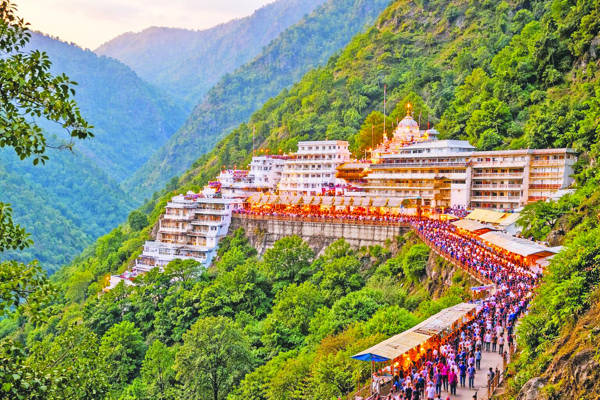
At the heart of these celebrations lies the revered Mata Vaishno Devi Temple, one of the most visited pilgrimage sites in the country. During Navratri, the number of devotees visiting the shrine increases significantly, with pilgrims arriving from different parts of India to seek blessings. The spiritual energy around Katra and the entire Jammu region becomes palpable, as chants of “Jai Mata Di” fill the air. For many, this journey is not just about faith but also about inner reflection and renewal.
Beyond the temple premises, Navratri is celebrated with deep-rooted traditions across Jammu. Homes and local temples are beautifully decorated, and people observe fasts, perform prayers, and participate in community gatherings. The recitation of religious texts, including Durga Saptashati, is a common practice, bringing families and communities together in shared devotion. In many places, special events such as bhajan evenings and cultural programs add to the festive spirit, creating a sense of unity among people.
The festival also has a visible impact on Jammu’s local markets and economy. As Navratri approaches, bazaars come alive with shops selling religious items, traditional attire, and festive essentials. Vendors dealing in fruits, dry fruits, and fasting food items witness a surge in demand. Small businesses, in particular, benefit from this seasonal boost, as increased footfall translates into higher sales. The hospitality sector, including hotels and transport services, also experiences heightened activity due to the influx of pilgrims and tourists.
Interestingly, Navratri in Jammu is not limited to religious observances alone. It also reflects the evolving lifestyle of the younger generation.
While traditional practices remain intact, there is a growing trend of organizing events such as Garba and Dandiya nights, especially in urban areas. These celebrations bring a modern touch to the festival, allowing people to connect with their roots while embracing contemporary forms of expression.
At the same time, the administration plays a crucial role in ensuring smooth celebrations. With large crowds visiting pilgrimage sites, especially during peak Navratri days, authorities make extensive arrangements for security, crowd management, and basic facilities. This coordinated effort helps maintain order and ensures that devotees can perform their rituals without inconvenience.
Navratri also highlights the spirit of togetherness that defines Jammu. Regardless of age or background, people actively participate in the celebrations, reinforcing social bonds. The festival becomes an opportunity for families to come together, for communities to interact, and for traditions to be passed on to the younger generation.
In recent years, there has also been a growing awareness around eco-friendly celebrations. Many people are making conscious efforts to reduce waste, use sustainable materials, and celebrate in a way that respects the environment. This shift reflects a broader understanding of responsibility, blending tradition with modern values.
In essence, Navratri in Jammu is much more than a religious festival. It is a time when faith, culture, and economic activity come together to create a unique and vibrant atmosphere. The festival not only strengthens spiritual beliefs but also contributes to the social and economic fabric of the region.
As the nine days unfold, Jammu continues to resonate with devotion and celebration, reminding everyone of the enduring power of tradition and the collective spirit of its people.
(The writer is currently pursuing M.A. in Mass Communication and New Media (2nd Semester) at Central University of Jammu)