

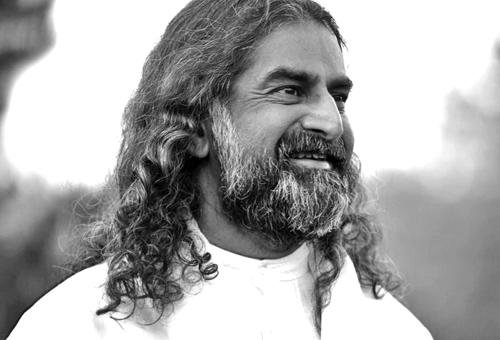
Mohanji
Usually, we have no problem in accepting our strengths. We may even want to tell the world about them. We have only a problem in accepting our weaknesses because we compare with other people.
Obstacle towards acceptance: On one side, you have your distinct natural, spontaneous, effortless side. You don’t have to force yourself to do it, it comes naturally to you. There’s no pressure. It’s not even about habits or likes and dislikes. It’s just you being natural: naturally kind, compassionate and loving. On the other side, you have society – education, parents, religion etc. -telling you how you should be. For the sake of society or somebody, you try to compromise. That’s where the non-acceptance happens. Herein lies the conflict. That natural aspect, when restricted, gives birth to conflict. It is very important for you to come back to your natural state.
Inclinations and tendencies: Life is driven by inclinations and tendencies. If you understand your tendencies, you understand yourself. You need to start looking within. A particular tendency’s expression could be alcohol or cigarette or eventually addiction. Take most of the crimes we see in the world. This tendency was present in the person long before he commits the actual crime. The tendency was ignored but it developed and developed and developed, and finally, became a crime. Then immediately the police, judges and prison catch him and stamp him a ‘criminal’. So a person’s tendency evolves into a state or a situation. During childhood, these tendencies are visible. Children don’t hide; the display every inclination or tendency. As they grow older, they have more means to execute them and a larger canvas to experience.
Introspection: This is why the scriptures talk more about introspection, or ‘Manana’ in Sanskrit. You introspect deep within before you meditate. We are so busy meditating that we hardly check if we are alright and aligned, but we are busy doing some practices. That is often escapism. Sit down and look at your own inclinations: “In which situations was I getting angry or judging people?” If you really concentrate into yourself, you realise: these are my inclinations; those are my tendencies; this is natural for me; that is unnatural for me. Then you have come into full contact with yourself. More than meditating on some theory, you must spend this time. This will be more effective than any practices – meditation, Kriya or Yoga. This connection which you make with yourself is the foundation. A still mind has its roots in total acceptance and no expectations.
Expectations and Prejudice: We diagnose ourselves: “I have a lot of anger sitting in me.” That is a symptom. Behind the anger, there could be a disappointment about something. And behind the disappointment, there could be an expectation.
There is a root cause for everything. What exactly is the root cause? Expectation! That did not happen, then disappointment happened, and the expression is anger. The society sees this man is angry and responds to you with anger. When you look at somebody, you immediately have some prejudice in mind. You don’t look at anybody afresh. ‘Oh, this guy, I’ve seen him. He’s like that guy.’ He may have nothing to do with that other guy, but you associate already. Our mind does a lot of processing using old data which is already sitting there. It takes this old data and puts it on somebody else who has nothing to do with it. We look at everybody through the eyes of prejudices. We don’t experience that reality or truth as it is, because we don’t give it a chance.
(For more information please logon to www.mohanji.com).